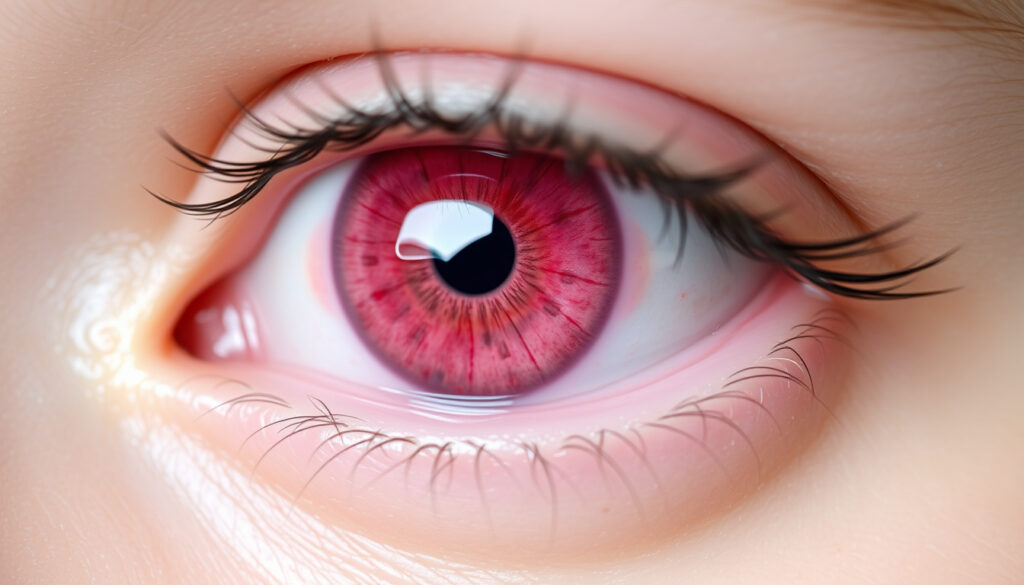
What Does Pink Eye Look Like – Guide to Types and Symptoms
Pink eye, medically known as conjunctivitis, is an inflammation of the conjunctiva—the thin membrane that lines the white of the eye and inner surface of the eyelids. The condition causes visible redness when blood vessels in the conjunctiva become dilated, often accompanied by itching, a gritty sensation, discharge, excessive tearing, and sensitivity to light. Understanding what pink eye looks like can help distinguish it from other eye conditions and guide appropriate care decisions.
The appearance of pink eye varies depending on its cause—viral, bacterial, allergic, or irritant. Each type presents distinct visual characteristics that can help identify the underlying issue, though professional diagnosis remains important for proper treatment. This guide provides a comprehensive visual overview of pink eye symptoms, types, and key distinguishing features.
What Does Pink Eye Look Like?
The most recognizable feature of pink eye is the reddening of the white part of the eye, but the condition encompasses several visible symptoms that help identify its type and severity.
Common Visual Signs: Redness, Swelling, and Discharge
Four primary visual indicators help identify pink eye across all types:
- Redness: The whites of the eyes appear pink or red due to inflamed blood vessels becoming more visible. This can range from mild pink to deeper red depending on severity.
- Discharge: Watery discharge is common in viral cases, while bacterial infections produce thick yellow, green, or white pus-like discharge that may crust on eyelids and lashes.
- Swelling: Eyelids may appear puffy or swollen, sometimes significantly enough to narrow the eye opening, particularly noticeable in the morning.
- Itching and Grittiness: A persistent feeling of something in the eye often accompanies pink eye, along with an urge to rub the eyes, which can worsen irritation.
These symptoms may affect one or both eyes depending on the type of conjunctivitis and the underlying cause.
Quick-Reference Snapshot: Comparing Pink Eye Types
| Type | Appearance | Discharge Color/Texture | Contagious? |
|---|---|---|---|
| Viral | Starts in one eye, often spreads to both; swollen lymph nodes near ear | Clear and watery | Yes – up to 14 days |
| Bacterial | Often begins in one eye; eyelids may stick together; ear infection possible | Yellow, green, or white pus | Yes – 24-48 hours with antibiotics |
| Allergic | Typically affects both eyes simultaneously; intense swelling and redness | Clear and stringy | No |
| Irritant | Redness and swelling from foreign body, chemical, or trauma exposure | Variable, often watery | No |
Key Insights About Pink Eye Appearance
- Viral pink eye frequently accompanies cold or flu symptoms and produces a watery discharge that may persist for one to three weeks.
- Bacterial pink eye commonly appears in children and spreads quickly in daycare and school settings where direct contact is frequent.
- Allergic conjunctivitis tends to occur seasonally or in response to specific triggers such as pollen, dust, or pet dander.
- Pictures of pink eye typically show visible redness of the conjunctiva, crusty debris on eyelashes, and swollen inner eyelids.
- Bacterial infection creates thick, colored discharge that can seal eyelids shut overnight, particularly noticeable upon waking.
- The condition can affect anyone from newborns to older adults, though the presentation varies by age group and immune status.
When examining eyes for pink eye signs, look for the characteristic pink or red discoloration of the sclera, any visible discharge accumulation along the lash line, and puffiness of the eyelids—particularly after sleep when crusting may have formed.
What Are the Symptoms of Pink Eye?
Beyond the visible redness and discharge, pink eye produces a range of symptoms that can help confirm the diagnosis and guide treatment decisions. Symptoms typically develop within hours to days of exposure and may vary in intensity throughout the course of the infection.
Recognizing the Full Range of Symptoms
Common symptoms across all pink eye types include:
- Redness: Pink or red discoloration of the white of the eye resulting from dilated blood vessels in the conjunctiva.
- Itching and burning: A persistent uncomfortable sensation often described as feeling like sand or grit has entered the eye.
- Discharge: Watery, mucous, or pus-like material that accumulates on lashes and may cause eyelids to stick together, especially in the morning.
- Tearing: Excessive watery eyes that may accompany other symptoms or occur as the eye attempts to flush irritants.
- Swelling: Puffiness of the eyelids or conjunctiva, sometimes severe enough to affect vision.
- Light sensitivity: Discomfort or pain when exposed to bright light, known as photophobia.
- Blurred vision: Temporary vision changes caused by discharge, swelling, or excessive tearing.
Contact lens wearers may experience additional discomfort and should remove lenses immediately upon noticing symptoms.
Early vs Advanced Symptoms
Early pink eye symptoms often begin with mild redness and a sensation of irritation or itching. As the condition progresses, discharge becomes more noticeable, particularly upon waking when crusting may seal the eyelids shut. Advanced symptoms include significant swelling, increased redness, and more pronounced discomfort that may affect daily activities and vision clarity.
Distinguishing Pink Eye from Allergies and Other Conditions
Several conditions mimic pink eye but have distinct differences. Allergic conjunctivitis typically affects both eyes simultaneously with intense itching as the primary complaint, whereas pink eye from infection often starts in one eye. A stye appears as a painful lump on the eyelid caused by a blocked gland, not the diffuse redness characteristic of conjunctivitis. Uveitis, a more serious inflammation of the iris and ciliary body, causes severe pain and vision loss rather than just surface redness and discharge.
Allergic pink eye is not contagious and often responds to antihistamine treatment, while infectious pink eye requires different management approaches and precautions against spread to others.
Viral vs Bacterial Pink Eye: Key Appearance Differences
Understanding the visual differences between viral and bacterial pink eye helps determine the appropriate care approach and expected duration of symptoms. While both types are contagious, their appearances and treatments differ significantly.
Viral Pink Eye Characteristics
Viral conjunctivitis typically begins in one eye and may spread to the other within days. The discharge is clear and watery, not thick or pus-like. Patients often experience accompanying cold or flu symptoms, and swollen pre-auricular lymph nodes (lymph nodes in front of the ear) are a common finding. Viral pink eye tends to cause more pronounced light sensitivity and discomfort compared to other types. This form is highly contagious and can spread through respiratory droplets or direct contact with infected surfaces.
Bacterial Pink Eye Indicators
Bacterial conjunctivitis often starts in one eye but may quickly affect both. The hallmark sign is thick, colored discharge—typically yellow, green, or white—that accumulates rapidly and creates noticeable crusting. Eyelids may stick together, especially overnight, requiring warm compresses to open. Children are particularly susceptible, and bacterial pink eye spreads readily in group settings like daycares and schools. The discharge texture and color differentiation from viral cases represents the most reliable visual indicator for distinguishing between these two infectious types.
Severe pain, significant vision changes, intense light sensitivity, or symptoms that do not improve within 12 to 24 hours warrant immediate medical evaluation to rule out more serious conditions such as keratitis or uveitis.
How Long Does Pink Eye Last and When to Seek Help?
The duration of pink eye varies considerably depending on its cause, with viral cases typically lasting longer than bacterial infections, and allergic conjunctivitis persisting as long as exposure to triggers continues.
Typical Timeline by Type
Viral pink eye generally resolves within 7 to 14 days without treatment, though some cases may persist up to three weeks. Bacterial pink eye improves within 3 to 5 days with appropriate antibiotic treatment, though untreated cases can continue for weeks. Allergic pink eye subsides within days of removing the allergen trigger but may become chronic with ongoing exposure. Irritant-related pink eye typically resolves within hours to days after the irritant source is eliminated.
Signs It’s Not Improving
Symptoms that worsen after initial improvement, new symptoms such as increased pain or vision changes, or failure to show any reduction in discharge after several days of home care suggest the need for professional evaluation. Babies and young children with pink eye require particular attention, as their developing immune systems may struggle to combat infection effectively and they are more likely to spread the condition to others in group settings.
When to Consult a Healthcare Provider
Certain situations demand prompt medical attention: severe eye pain, significant vision blur, intense light sensitivity, symptoms that persist beyond two weeks without improvement, newborns with any eye discharge or swelling, and any instance where a foreign body sensation cannot be ruled out. Healthcare providers can determine whether the condition is viral, bacterial, or another type requiring specific treatment and can identify complications requiring additional intervention.
Progression of Pink Eye: What to Expect Day by Day
While pink eye does not follow strictly defined stages, most cases follow a recognizable progression pattern that helps patients understand what to expect throughout the course of the condition.
- Day 1: Initial redness appears, often accompanied by mild itching or a gritty sensation. Discharge may be minimal initially but increases over the first 24 hours.
- Days 2-3: Symptoms typically peak during this period. Redness becomes more pronounced, discharge accumulates significantly (particularly noticeable upon waking), and swelling of eyelids may be most evident. This is when eyelids are most likely to stick together overnight.
- Days 4-7: For bacterial cases treated with antibiotics, noticeable improvement often occurs within this window. For viral cases, symptoms may remain at peak level or begin gradual improvement.
- Weeks 2-3: Most viral pink eye cases resolve during this period without complications. Continued improvement in redness, discharge, and swelling occurs day by day.
What We Know and What Remains Unclear About Pink Eye
Medical professionals have established clear diagnostic criteria and treatment protocols for pink eye, yet certain aspects of the condition continue to present challenges in prediction and prevention.
| Established Information | Information That Remains Unclear |
|---|---|
| Specific symptoms and their visual presentation by type | Exact duration for individual cases without treatment |
| Contagious period for viral and bacterial forms | Why some exposed individuals develop pink eye while others do not |
| Treatment effectiveness for bacterial infections with antibiotics | Long-term immunity after a single episode |
| Allergen triggers for allergic conjunctivitis | Optimal prevention strategies in high-exposure environments |
| Distinguishing features between pink eye types and mimics | Predictors for complications in otherwise straightforward cases |
| Home care measures that provide symptom relief | Role of diet and general health in recovery speed |
Causes, Risk Factors, and Prevention Context
Pink eye develops through various pathways depending on the type of conjunctivitis involved. Viral pink eye results from adenoviruses and other respiratory pathogens that spread through direct contact with infected secretions or contaminated surfaces. Bacterial pink eye stems from common pathogens like Staphylococcus aureus, Streptococcus pneumoniae, and Haemophilus influenzae, which spread similarly through contact. Allergic conjunctivitis occurs when the immune system overreacts to environmental substances such as pollen, mold spores, pet dander, or dust mites. Irritant-related pink eye develops from chemical exposure, foreign bodies, or physical trauma to the eye surface.
Risk factors for pink eye include frequent exposure to infected individuals, working in healthcare or childcare settings, wearing contact lenses (particularly extended-wear lenses), having seasonal allergies, and living or working in crowded environments. Prevention focuses on avoiding exposure to infectious agents through frequent hand washing, avoiding touching the face and eyes, not sharing towels or cosmetics, properly disinfecting contact lenses, and managing allergies through appropriate medications and environmental control.
What Medical Authorities Say About Pink Eye
The Mayo Clinic emphasizes that most pink eye cases, particularly viral forms, resolve on their own without specific treatment beyond supportive care. Their guidance highlights the importance of hygiene measures to prevent transmission and distinguishing features that warrant professional evaluation, such as significant pain, vision changes, and symptoms persisting beyond two weeks.
“Pink eye caused by a virus typically clears up on its own within 7 to 14 days without treatment. Bacterial pink eye usually improves within 2 to 5 days with antibiotics, though complete resolution may take longer.” — Mayo Clinic
The CDC provides guidance emphasizing that viral and bacterial pink eye remain contagious from symptom onset until the discharge resolves or appropriate antibiotic treatment has been administered for at least 24 hours. They note that allergic and irritant forms are not contagious and do not require isolation precautions.
Summary and Next Steps
Recognizing what pink eye looks like involves identifying key visual indicators including redness, discharge type and color, swelling, and the pattern of symptom development. Understanding whether the condition is viral, bacterial, allergic, or irritant-based helps guide appropriate care decisions and determines whether the condition is contagious. Most cases resolve without complications when proper hygiene measures are followed and appropriate supportive care is provided.
For those exploring complementary approaches to eye health and overall wellness, understanding the relationship between nutrition and immune function may provide additional insights. Research into the Top 10 Protein Foods available may help support general recovery and immune competence during and after pink eye episodes.
Frequently Asked Questions
Does pink eye mean you’re contagious?
Viral and bacterial pink eye are highly contagious through direct contact with infected secretions. Contagiousness typically lasts from symptom onset until discharge resolves or until antibiotics have been taken for at least 24 hours. Allergic and irritant-related pink eye are not contagious.
What does pink eye look like in adults?
In adults, pink eye often appears with noticeable redness of the eye whites, clear or colored discharge depending on the cause, and eyelid swelling. Adults are more likely to experience viral or allergic conjunctivitis, and contact lens wearers face higher bacterial infection risk.
Can pink eye go away on its own?
Yes, viral pink eye typically resolves on its own within 7 to 14 days without specific treatment. Bacterial pink eye may also resolve eventually without antibiotics but usually improves faster with appropriate medication. Allergic pink eye resolves when the allergen trigger is removed or treated.
What color is pink eye discharge?
Viral pink eye produces clear, watery discharge. Bacterial pink eye creates thick yellow, green, or white pus-like discharge. Allergic conjunctivitis causes clear, stringy discharge. The color and texture of discharge provide important clues for identifying the type of infection.
When should I see a doctor for pink eye?
Seek medical attention for severe eye pain, significant vision changes, intense light sensitivity, symptoms lasting more than two weeks, newborn babies with any eye symptoms, or any worsening of symptoms despite home care. A healthcare provider can confirm the type and recommend appropriate treatment.
Is pink eye in babies different from adults?
Babies often develop pink eye from blocked tear ducts rather than infection, producing yellow discharge and swelling. Newborns are at risk for gonococcal conjunctivitis, a serious condition requiring immediate medical attention. Children in daycare settings experience higher rates of bacterial pink eye due to increased exposure and less developed hygiene habits.
More related posts
 How to Take a Screenshot on a Chromebook: Complete Guide
 New Balance 9060 Grey: Ireland Stock, Prices & Buy Guide
 Real Housewives of Rhode Island – Cast, Premiere, Schedule
 Alavés vs Real Madrid: H2H Record, Stats & 2-1 Win
 Truliant Federal Credit Union – Membership, Services & Locations Guide
 Boston Celtics vs Phoenix Suns Match Player Stats & Box Score
 How to Win Friends and Influence People: Principles & Summary
 Is Dick Van Dyke Still Alive? Age, Net Worth, and Career Update